
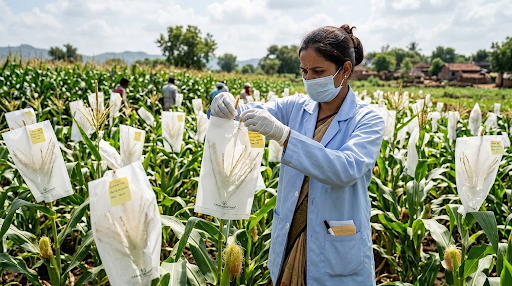
Plant breeding is a numbers game. Every controlled cross you set up depends on isolating the right flower, at the right time, from unwanted pollen contamination. Yet one of the most overlooked variables in this process is something as simple as the bag you use to bag the flower. The right pollination bags can mean the difference between a clean, reliable cross and a breeding season full of contaminated, unusable data.
For breeders, seed companies, and agricultural research institutions across India, choosing dependable pollination bags suppliers isn’t a minor procurement decision—it’s a scientific one.
Why Pollination Bags Matter More Than Most Breeders Realize
Every hybridization program relies on preventing unwanted pollen from reaching a flower before controlled pollination happens. This is where pollination bags come in. They act as a physical barrier, isolating the female flower structure until the breeder is ready to introduce the desired pollen source.
If the bag material is too porous, wind-borne or insect-carried pollen slips through, silently corrupting your cross. If it’s too rigid or non-breathable, it traps humidity, encourages fungal growth, and can damage the very flower structures you’re trying to protect. Either failure mode wastes an entire growing season’s worth of work.
This is why experienced breeders treat bag selection with the same seriousness as seed selection or field layout planning.
The Core Functions a Good Pollination Bag Must Serve
A well-designed pollination bag needs to do several things simultaneously:
- Block external pollen and insect contact completely, without gaps or weak seams
- Allow airflow and moisture regulation so flowers don’t rot or develop fungal issues inside the bag
- Withstand field conditions — sun exposure, wind, rain — for the duration of the isolation period
- Be easy to apply and remove without damaging delicate floral structures
- Maintain consistency across thousands of units, since breeding trials depend on uniform conditions
Missing even one of these functions can introduce variability that undermines the statistical reliability of your breeding data.
Material Matters: What Separates Good Bags From Great Ones
Not all pollination bags are built the same. The material composition directly determines how well a bag performs in real field conditions.
Paper-Based Pollination Bags
Specialty paper bags remain the preferred choice for many breeding programs, particularly for crops like maize, sorghum, and other cereals. High-quality glassine or specially treated paper offers:
- Excellent pollen-proof barrier properties
- Breathability that prevents moisture buildup
- Biodegradability, which matters for sustainable field operations
- Consistent tensile strength that resists tearing during application
Non-Woven and Specialty Fabric Bags
For certain crops or longer isolation periods, non-woven fabric bags offer added durability against weather extremes while still maintaining breathability. These are often selected for programs running through multiple weather cycles or in regions with heavier rainfall.
The right choice ultimately depends on the crop, the length of the isolation period, and the local climate—which is exactly why working with a supplier who understands agricultural applications, rather than a generic packaging vendor, makes a measurable difference.
How Bag Quality Directly Impacts Breeding Program Outcomes
1. Data Integrity
Breeding trials generate data that feeds directly into variety development decisions. A single contamination event from a failed bag can introduce false results into your dataset, and because contamination often isn’t visually obvious; it may not be caught until harvest—or worse, until the next generation is planted.
2. Cost Efficiency at Scale
Large breeding programs bag thousands, sometimes hundreds of thousands, of flowers each season. At that scale, even a small defect rate compounds into significant crop loss and wasted labor hours. Sourcing bags that are manufactured with tight quality control isn’t a luxury — it’s a cost-control necessity.
3. Labor Efficiency
Field teams need bags that are quick to apply and secure without excessive fumbling. Poorly designed bags slow down bagging crews during time-sensitive pollination windows, when timing can be measured in hours, not days.
4. Program Reputation
For seed companies and research institutions, consistent, contamination-free breeding results build trust with growers and stakeholders. Bag quality, while invisible in the final product, is foundational to that reputation.
What to Look for in Pollination Bags Suppliers
Since bag performance is so closely tied to breeding outcomes, the supplier relationship matters as much as the product specification. When evaluating pollination bag suppliers, breeders and procurement teams should assess:
- Manufacturing consistency — Are bags produced with standardized dimensions, seam strength, and material thickness across every batch?
- Crop-specific customization — Can the supplier tailor bag size, shape, and material to specific crops like maize, rice, sunflower, or vegetable seed crops?
- Quality certifications and testing — Does the supplier test for pollen-proof integrity and tensile strength before shipping?
- Supply reliability — Can they deliver in the volumes and timelines that match tight pollination windows, especially during peak season?
- Industry experience — Has the supplier worked specifically with agricultural and breeding applications, or are pollination bags a side product for them?
A supplier with deep experience in specialty paper manufacturing for agricultural use brings a level of technical understanding that generic bag makers simply can’t match.
Laxmi Industries: Built for India’s Breeding Programs
Laxmi Industries has spent years specializing in specialty paper products for agricultural and scientific applications, including pollination bags designed specifically for the demands of Indian breeding programs. From cereal crops to hybrid seed production, the company’s manufacturing process focuses on consistent pollen-barrier performance, field durability, and crop-specific sizing.
For breeders looking for dependable pollination bag suppliers across India, working with a manufacturer that understands both the science of pollination and the realities of field-level execution can significantly reduce the risk of contamination and product failure. You can explore Laxmi Industries’ full range of specialty paper solutions at laxmipaperind.com.
Getting Bag Selection Right From the Start
Choosing pollination bags shouldn’t be a last-minute logistics decision. It deserves the same planning attention as your crossing schedule, field layout, and data collection protocol. Before your next breeding season, take time to:
- Review your current bag failure or contamination rates from past seasons
- Match bag material to your specific crop and climate conditions
- Evaluate whether your current supplier can scale with your program’s growth
- Test new bag options on a small batch before full-scale deployment
Small adjustments in bag quality often produce outsized improvements in breeding program reliability.
Frequently Asked Questions
1. What are pollination bags used for?
Pollination bags are used to isolate flowers from unwanted pollen sources during controlled breeding or hybridization. They ensure that only the intended pollen fertilizes the flower, protecting the accuracy of breeding trials and seed production.
2. What material is best for pollination bags?
Specialty paper, such as treated glassine paper, is widely preferred for its pollen-proof barrier, breathability, and durability. Non-woven fabric options are also used for crops requiring longer isolation periods or facing harsher weather conditions.
3. How do I choose the right pollination bag suppliers in India?
Look for suppliers with proven experience in agricultural applications, consistent manufacturing quality, crop-specific customization options, and the ability to deliver reliably during peak pollination season.
4. Can pollination bags be reused?
Most paper-based pollination bags are designed for single-season use, as repeated exposure to field conditions weaken their pollen-barrier integrity. Reusing compromised bags increases contamination risk.
5. Why does bag breathability matter for pollination?
Bags that don’t allow airflow trap moisture, which can lead to fungal growth and flower damage. Breathable materials protect the flower while still maintaining a complete pollen barrier.
6. Which crops commonly use pollination bags?
Maize, sorghum, rice, sunflower, and various vegetable seed crops are among the most common applications, though pollination bags are used across a wide range of hybrid seed and breeding programs.
7. How does bag quality affect breeding program costs?
Low-quality bags with higher failure rates lead to wasted labor, contaminated data, and lost crop cycles. Investing in reliable bags reduces these hidden costs over time.
8. Does Laxmi Industries offer custom pollination bag sizes?
Yes, Laxmi Industries manufactures pollination bags tailored to different crop types and breeding program requirements. Visit laxmipaperind.com to discuss specifications for your program.
9. What size pollination bag should I use?
Bag size depends on the flower structure of the crop being bagged. Larger inflorescences, like those on maize, require larger bags than smaller flowering crops. Suppliers experienced in agricultural applications can recommend appropriate sizing.
10. How soon before pollination should bags be applied?
Bags should be applied before the flower reaches receptivity, typically a day or more ahead of anticipated pollen shed or stigma emergence, to fully prevent contamination before controlled pollination occurs.