
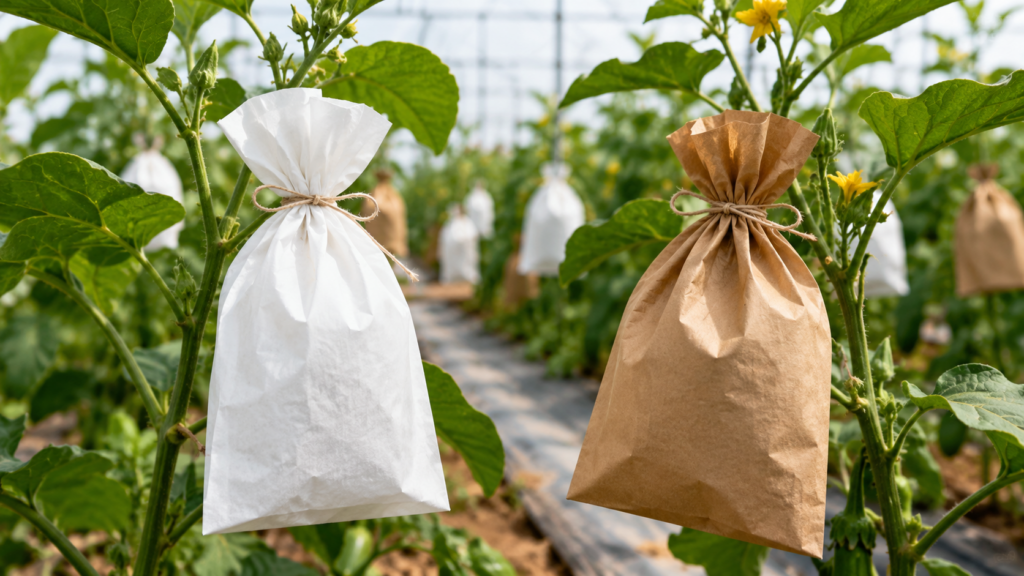
In modern agriculture, leaving pollination to chance is not an option — not when crop quality, genetic purity, and yield consistency are on the line. Whether you’re developing a new hybrid variety, maintaining seed stock integrity, or running controlled field trials, precision pollination is the foundation of reliable results.
That’s exactly where pollination bags come in. These seemingly simple tools play a powerful role in controlled breeding programs worldwide—protecting flowers from unwanted pollen, enabling precise cross-pollination, and ultimately driving higher, more consistent crop yields.
At Laxmi Industries, we manufacture pollination bags trusted by seed companies, agricultural research institutions, and plant breeders across India and beyond. In this post, we’ll walk you through exactly how pollination bags work and why they’re indispensable in any serious breeding program.
What Are Pollination Bags and How Do They Work?
Pollination bags—also called isolation bags or bagging covers—are specialised enclosures placed over flowers, tassels, or seed heads before they open. Their primary function is to prevent contamination from foreign pollen carried by wind, insects, or other environmental vectors.
The Mechanics of Controlled Pollination
Once a flower or inflorescence is enclosed within a pollination bag, it develops in complete isolation. When the breeder is ready to pollinate, they introduce the desired pollen directly—either by hand or by transferring a pollen-bearing flower into the bag—then reseal it. The result is a fully controlled cross or self-pollination event with no external interference.
This level of control is critical in hybrid seed development, where even trace contamination from foreign pollen can compromise the genetic integrity of an entire breeding line. In commercial seed production, one undetected cross-pollination event can invalidate months of field work.
How Pollination Bags Directly Increase Crop Yield
The connection between pollination bags and yield improvement isn’t always obvious, but it’s well-established among plant breeders and agronomists. Here’s how controlled pollination translates into tangible gains.
1. Genetic Purity Means Predictable Performance
When you control pollination precisely, you control the genetics of the resulting seed. Pure, well-characterised genetics produce plants with uniform traits—consistent maturity, disease resistance, and yield potential. In contrast, uncontrolled open pollination introduces genetic variability that makes crop performance unpredictable from season to season.
For hybrid seed producers, this genetic predictability is the product itself. Farmers pay a premium for certified hybrid seeds precisely because they know what to expect in the field.
2. Higher Success Rates in Breeding Crosses
In conventional open-field breeding, achieving a specific cross requires repeated attempts because contamination and natural pollination can disrupt the process. Pollination bags eliminate this uncertainty. Breeders get cleaner data, higher successful cross rates, and more reliable generation advancement—compressing the overall breeding timeline and reducing the number of seasons needed to develop a viable new variety.
3. Enabling Accurate Trait Selection
When breeders know exactly which pollen fertilised which flower, they can accurately attribute the traits observed in offspring to specific parent combinations. This clarity accelerates selection of high-yielding, stress-tolerant, or disease-resistant lines—traits that directly translate to yield improvements when those varieties reach commercial production.
Choosing the Right Pollination Bag for Your Crop
Not all pollination bags are created equal. The right bag depends on your crop type, field conditions, and the duration of enclosure required.
Material and Breathability
Paper-based pollination bags — like those manufactured by Laxmi Industries — offer the ideal balance of breathability and isolation. Unlike plastic bags, which trap heat and moisture and can damage delicate floral tissue, paper bags allow adequate air circulation while maintaining a reliable pollen barrier. This is especially important for heat-sensitive crops like maize, wheat, and sorghum where floral damage directly affects seed set.
Size and Structural Integrity
Pollination bags must be large enough to enclose the target inflorescence without restricting its natural development, yet firm enough to stay in place through wind and light rain. A bag that collapses onto the flower or detaches prematurely defeats its purpose entirely.
At Laxmi Industries, our pollination bags are available in multiple sizes and are manufactured from high-grade kraft paper—durable, breathable, and field-tested across major crop species including maize, bajra, sunflower, and cotton.
Conclusion
Controlled breeding is where tomorrow’s high-yielding crop varieties are born—and pollination bags are among the most reliable tools available to make that process precise, repeatable, and scalable. From protecting genetic integrity to accelerating variety development timelines, the right pollination bag does far more than cover a flower.
If you’re serious about your breeding program, your choice of pollination bag deserves the same attention as your choice of parent lines.
👉 Explore Laxmi Industries’ range of pollination bags and seed testing supplies at laxmipaperind.com—or reach out to our team for product specifications and bulk enquiries.
FAQs
Q1. What crops are pollination bags most commonly used for?
Pollination bags are widely used in maize, wheat, sorghum, sunflower, cotton, and bajra breeding programs. They’re suitable for any crop where controlled pollination is required to maintain genetic purity or develop hybrid varieties.
Q2. Why are paper pollination bags preferred over plastic ones?
Paper bags allow natural air circulation around the flower, preventing heat and moisture buildup that can damage floral tissue and reduce seed set. Plastic bags, while offering good isolation, tend to create a microclimate that is harmful to delicate flowers—particularly in warm field conditions.
Q3. How long should a pollination bag remain on the flower?
This depends on the crop and the stage of development. Generally, bags are applied just before anthesis (pollen release) and removed once seed set is confirmed — typically a few days to a week after pollination. Your crop-specific breeding protocol should define the exact timing.