
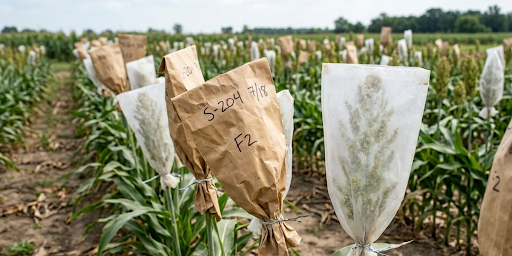
Rain is one of the biggest threats to controlled crossing. A single heavy shower can soak a bag, burst its seams and ruin days of careful work. Whether a bag survives depends on what it is made of, how it is treated and how it is fixed to the plant. This guide explains what to expect from different pollination bags, how moisture affects pollen, and how to choose bags for India’s monsoon-heavy seasons.
Quick Answer: Do Pollination Bags Withstand Rain?
It depends on the material. In general:
- Standard untreated paper bags handle light dew and brief drizzle but weaken and tear in sustained rain.
- Wax-coated or wet-strength kraft bags resist rain much better and are the usual choice for kharif and monsoon crossing.
- Glassine bags are smooth and moderately moisture-resistant, but they are not meant for heavy rain.
- Plastic or non-woven bags repel water well but can trap humidity inside unless they are designed to breathe.
No bag is completely rainproof. Correct fixing and timely replacement matter as much as the material.
Why Moisture Matters in Controlled Pollination
A pollination bag has one job: keep unwanted pollen out and keep the intended pollen in. Moisture damages both goals.
What rain and moisture can cause:
- Torn or collapsed bags that let foreign pollen reach the silks, tassels or flowers
- Pollen clumping, which makes it hard to shed or transfer
- Reduced pollen viability when pollen absorbs water and bursts or loses function
- Fungal growth inside bags that stay damp for days
- Heat and humidity build-up that can scorch delicate flower parts
For breeders working on hybrids, inbred line maintenance or seed purity, even a few failed bags can compromise a whole row of crosses.
What Are Pollination Bags Made Of?
Kraft Paper Bags
Kraft paper is strong, breathable and cost-effective, which is why it is widely used for maize tassel and ear covering. Plain kraft handles dew and light moisture but softens when soaked. Wet-strength or wax-treated kraft keeps its structure much longer.
Glassine Bags
Glassine is a smooth, dense, semi-translucent paper. It resists air and moisture better than plain paper and lets you see inside, which is useful for checking flower development. It still has limits in prolonged heavy rain.
Wax-Coated Bags
A thin wax layer adds water resistance without making the bag fully airtight. These are a popular option for monsoon crossing blocks and rainy-season nurseries.
How Different Bag Types Compare in Wet Conditions
- Plain kraft: low rain resistance, high breathability, best for dry or lightly humid conditions
- Wet-strength or wax-coated kraft: good rain resistance, moderate to high breathability, best for monsoon use
- Glassine: moderate resistance, good visibility, best for short-term covering and sheltered plots
What Makes a Pollination Bag Rain-Ready?
When comparing options, look at these features:
- Wet strength: the paper should keep its structure when damp
- Seam quality: double-fold or well-glued seams resist splitting
- Bag size and shape: a close but not tight fit reduces flapping and water pooling
- Closure method: clips, rubber bands, string ties or staples must hold in wind and rain
- Breathability: some air exchange prevents internal condensation
- Consistent thickness: uneven paper fails at weak spots first
Practical Tips to Protect Bags from Rain and Moisture
1. Bag at the Right Time
Cover tassels or ears just before the receptive stage. Bags that stay on for long, wet periods are more likely to fail.
2. Secure the Bag Properly
Fix bags firmly around the stalk with a clip, band or tie. Loose bags flap, collect water and tear faster.
3. Use Double Bagging When Needed
For high-value crosses, a plastic or wax-coated outer bag over a paper inner bag can add protection. Make sure the outer cover is open at the bottom or ventilated.
4. Check Bags After Every Rain
Inspect for tears, wet patches and loose ties. Replace damaged bags immediately and note it in your records.
5. Pollinate in the Morning When Possible
In humid weather, pollen performs better when collected and used after dew dries off and before the day heats up. Moist, clumpy pollen transfers poorly.
6. Keep Spare Bags Dry
Store unused bags in a dry, closed container. Humid storage weakens paper before it is even used.
Special Considerations for Indian Growing Conditions
India’s crop calendar often places critical crossing windows in or near the monsoon. Keep these in mind:
- Kharif crossing (June to October): the highest rain risk. Choose wet-strength or wax-coated bags and keep spares on hand.
- Rabi crossing (October to February): lower rain risk, but morning dew and fog can still soak plain paper.
- Hot, dry spells: bags can overheat the flower parts, so breathable materials are safer than airtight ones.
- Regional differences: coastal and high-rainfall regions need more rain-resistant bags than dry inland zones.
If you work in or around Hyderabad, the sharp contrast between dry heat and sudden monsoon downpours makes durability and breathability equally important.
Choosing Reliable Pollination Bags Suppliers
Bag quality varies widely, and the right pollination bags suppliers make a real difference to your success rate. When evaluating a supplier, consider:
- Whether they offer moisture-resistant and wet-strength options
- Consistent quality from batch to batch
- Availability of different sizes for crops like maize, cotton, rice and vegetables
- Ability to supply in bulk for breeding programmes and seed companies
- Responsiveness on custom sizes and specifications
- Clean, chemical-free materials that will not harm flowers or pollen
Laxmi Industries, a Hyderabad-based specialty paper manufacturer, produces pollination bags for breeders, research institutions and seed companies across India. As an experienced manufacturer of seed germination paper, filter paper and blotter paper, the company understands how paper behaves with moisture, which helps when designing bags that hold up in the field. You can explore the range at laxmipaperind.com.
Common Mistakes to Avoid
- Using plain paper bags in sustained rain
- Leaving damaged or soaked bags on the plant
- Choosing airtight covers that trap heat and humidity
- Securing bags too loosely
- Storing bags in damp conditions
- Failing to keep spare bags during monsoon crossing
Conclusion
Pollination bags can withstand some rain and moisture, but how well depends on material, construction and handling. Wet-strength and wax-coated kraft bags perform best in rainy conditions, while plain paper suits drier periods. Pair the right bag with good fixing, regular inspection and quick replacement, and your crosses stay protected even in the monsoon. If you are sourcing from pollination bags suppliers in India, look for consistent quality and moisture-ready options, and see what Laxmi Industries offers for your crop and season.
Frequently Asked Questions (FAQs)
1. Can pollination bags get wet without damage?
Light dew or brief drizzle is usually fine for most paper bags. Sustained rain can weaken plain paper, so wet-strength or wax-coated bags are better for wet weather.
2. Which pollination bags are best for rainy weather?
Wet-strength or wax-coated kraft bags are widely preferred for monsoon crossing, as they keep their shape and resist tearing better than plain paper.
3. Does rain affect pollen inside pollination bags?
Yes. Moisture can cause pollen to clump and lose viability. Keeping bags intact and dry inside helps protect pollen quality.
4. How do I stop pollination bags from tearing in the rain?
Choose durable material, secure the bag firmly, avoid loose flapping and inspect after every rain. Replace any damaged bag immediately.
5. Are plastic pollination bags better than paper in rain?
Plastic repels water well but can trap heat and humidity. Breathable paper treated for moisture resistance is often the safer choice, unless the plastic is specifically designed with ventilation.
6. Should I use two bags for protection in monsoon?
For high-value crosses, an outer water-resistant cover over a paper inner bag can help, provided there is airflow and the outer cover does not trap condensation.
7. How often should I check pollination bags during the rainy season?
Check after every significant rain and at least once daily during critical crossing periods.
8. How should I store pollination bags before use?
Keep them in a dry, closed container away from humidity and direct sunlight, since damp storage weakens paper.
9. Where can I buy pollination bags in Hyderabad or across India?
You can order from specialty manufacturers such as Laxmi Industries (laxmipaperind.com), which supplies pollination bags to breeders and seed companies across India.
10. What should I look for in pollination bags suppliers?
Look for moisture-resistant options, consistent quality, a range of sizes, bulk supply capability and clean, chemical-free materials.