
Introduction: The Small Tool That’s Changing Hybrid Seed Farming
If you’re involved in hybrid seed production — whether as a commercial seed company, a breeder, or a progressive farmer — you already know how much precision matters. One wrong move during pollination, and an entire crop cycle’s effort can go to waste.
But here’s something many growers overlook: one of the most powerful tools for protecting hybrid seed quality isn’t a chemical, a machine, or an expensive technology. It’s a simple, well-made pollination bag.
At Laxmi Industries (laxmipaperind.com), we’ve been supplying agricultural paper solutions to India’s seed industry for years. And in that time, we’ve seen firsthand how the right pollination bag can dramatically improve hybrid seed yield, purity, and profitability. In this blog, we’ll walk you through everything you need to know.
What Is a Pollination Bag — And How Does It Work?
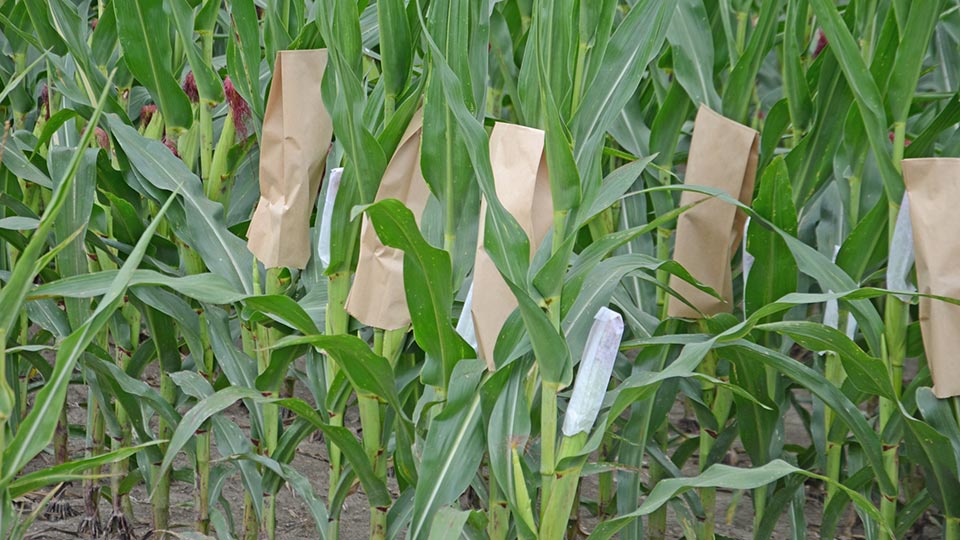
A pollination bag is a paper enclosure placed over a plant’s flower, tassel, or ear before and during the pollination stage. Its job is simple but critical: it creates a physical barrier that blocks unwanted pollen from reaching the flower, so only the intended parent pollen makes contact.
In open fields, pollen moves freely — carried by wind, insects, and even farmers walking between rows. Without a bag, even a carefully planned hybrid cross can be silently contaminated by neighboring plants. You wouldn’t even know until your seed lot fails genetic purity testing weeks later.
Pollination bags stop this problem at the source. They isolate the flower, preserve pollen viability, and ensure every cross happens exactly as planned.
6 Ways Pollination Bags Directly Improve Hybrid Seed Yield
1. Prevents Cross-Contamination By physically isolating the flower, pollination bags ensure only the designated male parent contributes pollen. This is the foundation of true hybrid seed production. Without it, there is no hybrid advantage — and no premium price at market.
2. Protects Pollen from Weather Damage A sudden rain during anthesis can wash away or damage pollen completely. Our pollination bags at Laxmi Industries act as a micro-shelter, protecting pollen viability through unexpected weather events that are common across Indian growing seasons.
3. Keeps Insects Out Without Blocking Airflow Bees and other pollinators carry pollen from plant to plant indiscriminately. Breathable paper bags keep insects away from the flower while still allowing adequate air circulation — preventing heat and moisture buildup that could harm the bloom.
4. Improves Crossing Efficiency When pollen is cleanly collected from bagged tassels and applied to properly isolated silks or pistils, the success rate of each individual cross improves significantly. More successful crosses per plant means more hybrid seed produced per acre.
5. Maintains Seed Lot Genetic Purity Higher genetic purity means your seed lot consistently passes certification standards. Fewer batch rejections translate directly into lower losses, stronger buyer trust, and better returns per kilogram of seed sold.
6. Reduces Overall Input Waste Fewer failed crosses and contaminated batches mean less wasted labor, irrigation, agrochemicals, and land. The cost-per-seed-produced drops, and your margin on every successful lot increases.
Why the Bag Material Makes All the Difference
Not all pollination bags perform equally in the field. The paper quality, construction, and design directly affect how the bag performs — especially in India’s varied climate conditions.
At Laxmi Industries, our pollination bags are built on three core principles:
Breathability without compromise — Our bags use high-quality kraft and glassine paper that allows air exchange while preventing condensation buildup inside the bag. Trapped heat and moisture can damage pollen or trigger premature flower development. Our paper prevents this.
Structural durability in field conditions — Bags must stay intact through wind, repeated handling, and multiple days of use. Our reinforced seam construction and secure closure ensure the bag stays in place without tearing, reducing re-application labor during the critical pollination window.
Pollen-tight construction — The fibre density of our bags is specifically calibrated — tight enough to block external pollen entry, but light enough not to restrict normal flower development. Achieving this balance requires genuine paper manufacturing expertise, and it’s where Laxmi Industries’ experience shows.
Best Practices for Using Pollination Bags Effectively
Even the highest-quality bag won’t deliver results if it’s applied incorrectly. Here are the field-tested practices used by professional seed producers across India:
Bag before pollen shed begins. Apply the bag before the tassel or flower opens. Timing is the single most critical factor — once pollen has already been released, contamination may have occurred. Early bagging, done consistently, is everything.
Use crop-specific bag sizes. A maize tassel bag is structurally very different from a sunflower head bag or a vegetable flower bag. An oversized bag traps moisture; an undersized one restricts flower development. Laxmi Industries provides crop-matched sizing options for this reason.
Handle with clean, dry hands. Residual moisture or even trace pollen on your hands can compromise isolation. In large-scale production environments, wearing gloves during bag application is strongly recommended.
Label every bag clearly. In breeding programs and commercial trials, mark each bag with the cross combination, parent line, and application date. This keeps your data clean and every seed lot traceable — which is essential for certification and variety registration.
Why Seed Producers Across India Trust Laxmi Industries
With deep experience in agricultural paper products, Laxmi Industries understands what Indian seed farmers actually face in the field — from monsoon humidity in Maharashtra to dry heat in Rajasthan. Our pollination bags are:
Made from food-grade, chemical-free paper that carries no risk of phytotoxicity to sensitive flowers. Produced in standardized, consistent dimensions so every bag in a bulk order performs identically. Available in crop-specific sizes for maize, sorghum, sunflower, cotton, tomatoes, brinjal, capsicum, and more. Supplied in bulk quantities for commercial seed farms, with custom sizing available for specific breeding and research requirements.
Trusted by seed companies, agricultural universities, and ICAR research stations across India, our bags are built for real field conditions — not just laboratory testing.
Conclusion: Protect the Cross, Protect the Yield
Hybrid seed production is a high-investment, high-precision enterprise. Every step in the process matters — and pollination is the step where everything either comes together or falls apart.
A quality pollination bag doesn’t just cover a flower. It protects your season’s investment, your seed lot’s value, and your reputation as a reliable seed supplier. And when the bags are made right — with the correct paper, the right size, and proven construction — the yield and purity improvements are real and measurable.
At Laxmi Industries, we’re proud to be the partner that India’s seed industry turns to for this critical input. If you’re serious about hybrid seed quality, it’s time to get serious about the bags you use.
👉 Explore our pollination bag range at laxmipaperind.com or contact our team for bulk pricing and custom sizing.
Frequently Asked Questions (FAQs)
Q1. Can pollination bags be reused for multiple crosses?
Ans: No — single-use is strongly recommended for commercial hybrid seed production. Reusing bags risks residual pollen contamination between crosses. For commercial operations, always use fresh bags per cross to ensure clean results.
Q2. Which crops benefit most from pollination bags?
Ans: Maize, sorghum, pearl millet, sunflower, cotton, tomato, brinjal, and capsicum are among the most common. Any crop where controlled crossing is needed — from research trials to commercial seed farms — benefits significantly from quality pollination bags.
Q3. How do I choose the right pollination bag size for my crop?
Ans: Size depends on the flower or inflorescence you’re covering. Maize tassels need larger bags; vegetable crops need smaller bloom-sized bags. Laxmi Industries provides a crop-specific size guide and can assist with custom dimensions. Contact our team at laxmipaperind.com for guidance.