
Introduction: Are You Getting the Most Out of Your Seed Testing?
Every farmer, seed producer, and agronomist knows that germination testing is not optional — it’s the first line of quality control before sowing begins. But here’s a question most people don’t stop to ask: are you using the right paper for the job?
If your germination results seem inconsistent, your seedlings are showing poor root development, or your test papers are getting too wet or too dry too fast — the problem might not be your seeds. It might be your germination paper.
Brown Seed Germination Paper has become the industry standard across India’s seed testing laboratories, research stations, and commercial farms — and for good reason. At Laxmi Industries (laxmipaperind.com), we manufacture and supply high-quality Brown Seed Germination Paper built specifically for accurate, reliable seed testing. In this guide, we’ll walk you through exactly how to use it for the best results — step by step.
What Is Brown Seed Germination Paper and Why Does It Matter?
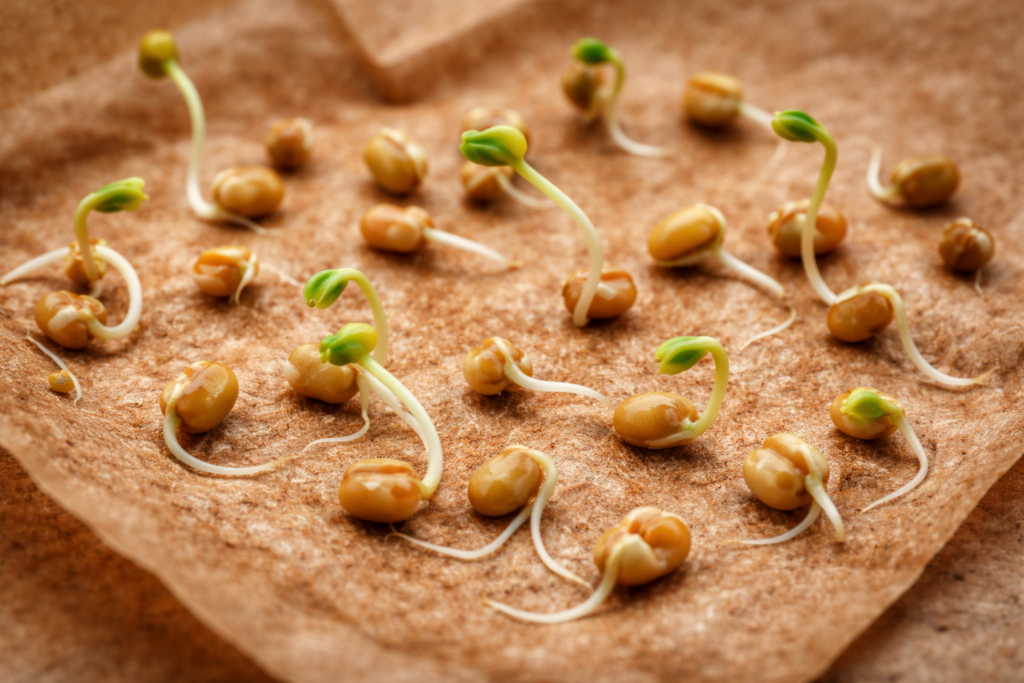
Brown Seed Germination Paper is a specially manufactured absorbent paper used to test the germination rate of seeds under controlled conditions. Unlike regular paper or tissue, germination paper is engineered to hold a precise amount of moisture — enough to trigger germination without waterlogging the seeds or drying out too quickly.
The brown color isn’t just aesthetic. It indicates natural, unbleached paper fibres — which means no chemical treatments, no bleaching agents, and no artificial whiteners that could interfere with germination or distort your test results. For seed testing that needs to be accurate and reproducible, this matters more than most people realise.
Whether you’re running ISTA-compliant seed health tests, checking a new seed lot before dispatch, or screening varieties in a breeding program, the quality of your germination paper directly affects the reliability of your results.
Step-by-Step Guide: How to Use Brown Seed Germination Paper Correctly
Getting good results from Brown Seed Germination Paper isn’t complicated — but there are specific steps that make a real difference in test accuracy.
Step 1: Select the Right Paper for Your Seed Size
Not all seeds are the same size, and your paper thickness should match. Fine seeds like onion or carrot need a softer, thinner paper that allows delicate radicles to emerge easily. Larger seeds like maize or soybean benefit from a slightly thicker, more durable paper that can support the seedling’s weight without tearing. At Laxmi Industries, we offer Brown Seed Germination Paper in multiple GSM options so you can match paper weight to crop type.
Step 2: Pre-Moisten the Paper Correctly
This is the step most people get wrong. The paper should be moist — not wet, not damp. The standard method is to wet the paper fully, then shake or roll it to remove excess water. When you press the paper, no water should drip freely. A properly moistened sheet feels uniformly wet to the touch with no dry patches or standing water.
Using distilled or clean water is strongly recommended. Tap water with high chlorine content can inhibit germination and skew your results.
Step 3: Place Seeds at the Correct Spacing
Lay your pre-counted seed sample (typically 25 or 50 seeds per test as per ISTA guidelines) evenly spaced on the lower two-thirds of the moistened sheet. Leave the top third clear — this is where you’ll fold or roll the paper over the seeds. Proper spacing prevents seedling roots from tangling, which makes evaluation far easier and more accurate.
Step 4: Roll or Fold and Label Clearly
For the rolled towel method (most common in Indian seed labs), gently roll the seeded paper into a cylinder, fold the bottom edge up to prevent seeds from sliding, and secure with a rubber band. Label each roll clearly with crop name, variety, lot number, and test date. Place rolls vertically in a germination chamber, tray, or plastic bag to maintain moisture during the test period.
Step 5: Maintain Correct Temperature and Humidity
Most crop seeds germinate best between 20°C and 30°C. Check the ISTA recommended temperature range for your specific crop. Keep rolls in a dark, humid environment. Re-moisten only if the paper shows signs of drying — excessive re-wetting is equally harmful.
Step 6: Evaluate at the Correct Intervals
Conduct a first count at the prescribed first evaluation date (varies by crop — typically 4 to 5 days for fast-germinating crops, 7 days for slower ones). Record normal seedlings, abnormal seedlings, hard seeds, and ungerminated seeds separately. Conduct the final count at the last evaluation day and calculate your germination percentage accurately.
Common Mistakes to Avoid When Using Germination Paper
Even experienced seed testers make avoidable errors. Here are the most common mistakes and how to prevent them:
Over-wetting the paper is the number one issue. Excess moisture creates anaerobic conditions around the seed, encouraging fungal growth and reducing germination accuracy. Always follow the press-and-shake method to remove excess water before placing seeds.
Using low-quality or substituted paper is another frequent problem. Regular tissue paper, newspaper, or non-standardised blotting paper absorbs moisture unevenly and may contain chemicals that affect germination. Always use dedicated Brown Seed Germination Paper from a reliable source.
Crowding seeds too close together causes root entanglement and makes it impossible to correctly classify normal versus abnormal seedlings during evaluation. Proper spacing saves time and improves accuracy at counting.
Testing in uncontrolled room temperature instead of a proper germination chamber leads to highly variable results. Even modest temperature fluctuations can shift germination rates by 10 to 15%, making your data unreliable for certification or sowing decisions.
Why Brown Color? The Science Behind Unbleached Germination Paper
Many first-time buyers ask why Brown Seed Germination Paper is specifically recommended over white germination paper. The answer comes down to chemistry.
White paper is bleached using chlorine-based compounds or optical brighteners. Even in trace amounts, these chemicals can leach into the moisture held by the paper and create toxic micro-environments for germinating seeds. Unbleached brown paper is chemically inert — it holds water without contributing any substance that could inhibit or artificially stimulate germination.
For certified seed testing under ISTA or NSAI protocols, using chemically neutral paper isn’t just a best practice — it’s a requirement. This is why Brown Seed Germination Paper remains the preferred standard across India’s accredited seed testing laboratories.
Laxmi Industries: Your Trusted Brown Seed Germination Paper Bulk Supplier
Sourcing quality germination paper consistently is a challenge many seed labs and farms face — especially when ordering at scale. Low-quality paper from unreliable vendors leads to variable test results, wasted seed lots, and damaged credibility with buyers.
At Laxmi Industries, we are one of India’s trusted Brown Seed Germination Paper bulk suppliers, manufacturing paper that meets the precise standards required by professional seed testing operations. Our germination paper is:
Made from 100% natural, unbleached fibres with no chemical additives or optical brighteners. Available in multiple sizes and GSM options to match different crop and testing requirements. Supplied in bulk quantities with consistent quality across every batch — critical for accredited labs that cannot afford variation. Delivered across India with reliable lead times, making us a dependable partner for seed companies, agricultural universities, state seed corporations, and export-focused seed producers.
Whether you need monthly supplies for a seed testing laboratory or large-volume orders as a Brown Seed Germination Paper bulk supplier partner, Laxmi Industries has the capacity and consistency to meet your needs.
Conclusion: Good Seeds Deserve Good Paper
Germination testing is only as reliable as the tools you use to conduct it. If you’re investing in quality seeds — whether for sowing, export, or sale — your testing process needs to match that standard.
Brown Seed Germination Paper from Laxmi Industries gives you chemically neutral, moisture-stable, consistently manufactured paper that lets your seeds perform exactly as they should under test conditions. The result is germination data you can trust — and decisions you can make with confidence.
Don’t compromise on the one tool that sits at the foundation of your seed quality process.
👉 Visit laxmipaperind.com to explore our full range of Brown Seed Germination Paper, request samples, or get bulk pricing today.
Frequently Asked Questions (FAQs)
Q1. What is the difference between Brown Seed Germination Paper and white germination paper? Brown germination paper is unbleached and chemical-free, making it the preferred choice for accurate seed testing. White paper is often bleached with chemicals that can subtly inhibit germination and affect results. For ISTA-compliant or certified seed testing, brown unbleached paper is the recommended standard.
Q2. How much water should I use to moisten germination paper? The paper should be uniformly moist but not dripping. Fully wet the sheet, then shake or press it to remove excess water — no free water should drip when you squeeze it. Use clean or distilled water for best results, as chlorinated tap water can interfere with germination rates.
Q3. Can I order Brown Seed Germination Paper in bulk from Laxmi Industries? Yes. Laxmi Industries is one of India’s reliable Brown Seed Germination Paper bulk suppliers, offering large-volume orders in multiple sizes and GSM specifications. Contact us via laxmipaperind.com for bulk pricing, custom sizing, and supply schedules tailored to your operation.