
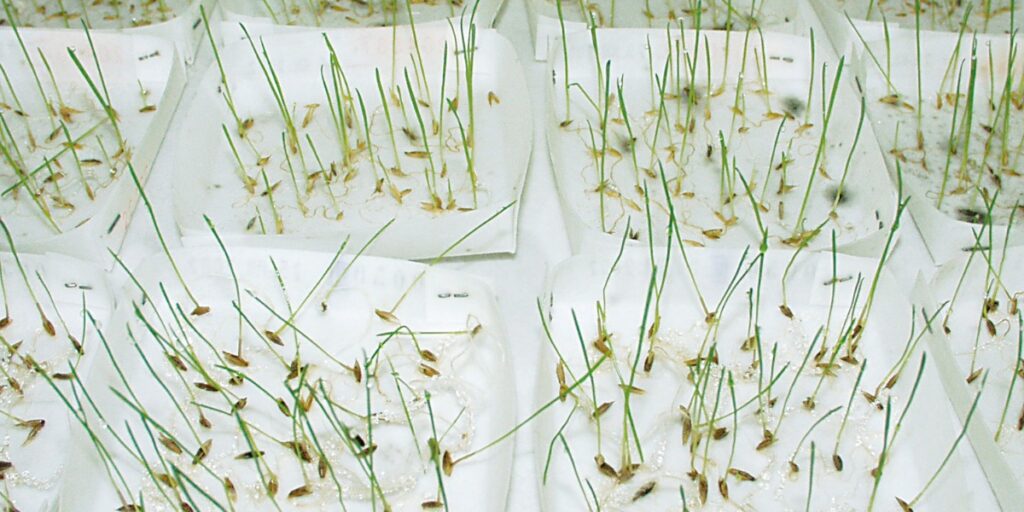
In the world of agricultural research and seed testing, the choice of germination paper can make all the difference between robust, reliable results and inconsistent, unreliable data. If you’re a researcher, agronomist, or seed producer, you’ve likely encountered the dilemm.
Should you use heavyweight or lightweight germination papers for your crops? This question is more than just a matter of preference it’s about optimizing seed viability, vigor, and ultimately, your crop’s success. In this comprehensive guide, we’ll explore the key differences between heavyweight and lightweight germination papers, their ideal applications, and how choosing the right grade from Laxmi Industries can elevate your seed testing process.
Introduction: Why Germination Papers Matter
Seed germination papers are specialized, absorbent papers designed to provide a controlled, sterile, and moisture-retentive environment for seeds during germination tests. They are essential tools in agricultural research, plant breeding, and seed quality assurance. Whether you’re evaluating new crop varieties, studying environmental effects on germination, or ensuring the reliability of your seed stock, the right germination paper is your foundation for success.
At Laxmi Industries, we understand that every seed is unique, and so are your research needs. That’s why we offer a range of germination papers tailored to different seed sizes and testing requirements. But how do you decide between heavyweight and lightweight germination papers? Let’s dive in.
Understanding Germination Papers: The Basics
What Are Germination Papers?
Germination papers are non-toxic, highly absorbent papers used to support seeds during germination. They are available in two main grades:
- Regular Weight (Lightweight) Germination Papers: Typically around 38 lbs, these are ideal for small to medium-sized seeds.
- Heavyweight Germination Papers: Usually 76 lbs, these are designed for larger seeds and provide extra strength and moisture retention.
Both grades are creped for flexibility and come in a tan to light brown color, ensuring optimal moisture distribution and root observation.
Heavyweight vs. Lightweight Germination Papers: A Detailed Comparison
| Feature | Heavyweight Germination Papers (76 lbs) | Lightweight Germination Papers (38 lbs) |
| Weight | 76 lbs | 38 lbs |
| Thickness | Twice as thick as regular weight | Standard thickness |
| Ideal Seed Size | Large seeds | Small to medium seeds |
| Moisture Retention | Excellent, supports longer germination periods | Good, suitable for shorter germination periods |
| Root Observation | Prevents roots from growing through | Allows for easy root tracking |
| Applications | Large-seeded crops, extended germination tests | Small-seeded crops, routine germination tests |
Choosing the Right Grade for Your Crop
When to Use Heavyweight Germination Papers
Heavyweight germination papers are your go-to choice for:
- Large Seeds: Crops like beans, corn, and certain tree species benefit from the extra thickness and moisture-holding capacity of heavyweight papers.
- Extended Germination Tests: If your research requires longer germination periods, heavyweight papers prevent drying out and maintain consistent moisture levels.
- Robust Root Systems: The denser structure of heavyweight germination papers helps prevent roots from growing through the paper, making it easier to handle and analyze seedlings.
When to Use Lightweight Germination Papers
Lightweight germination papers are best suited for:
- Small to Medium Seeds: Crops like lettuce, tomato, and many ornamental plants thrive on the standard thickness of lightweight papers.
- Routine Germination Tests: For quick, everyday seed testing, lightweight papers provide sufficient moisture and are easy to handle.
- Root Observation: The thinner profile allows for better visibility of root development, which is crucial for assessing seedling vigor and health.
The Science Behind Germination Papers
Germination papers are engineered to offer:
- Uniform Moisture Distribution: Ensures all seeds receive equal access to water, reducing variability in germination rates.
- Sterility: Minimizes contamination from pathogens, leading to more accurate and reliable results.
- Non-Toxicity: Safe for all seed types, ensuring that results reflect true seed performance.
At Laxmi Industries, our germination papers are manufactured to strict quality standards, with high absorbency, optimal pH (6.6–7), and excellent bursting strength. This guarantees consistent performance for every germination test you conduct.
Practical Tips for Using Germination Papers
- Match Paper Grade to Seed Size: Always choose heavyweight germination papers for large seeds and lightweight for small to medium seeds.
- Maintain Sterility: Sterilize your germination papers before use if they are not pre-sterilized, to prevent fungal or bacterial contamination.
- Monitor Moisture Levels: Check regularly to ensure the paper remains moist but not waterlogged, as excess water can hinder germination.
- Record Observations: Track germination rates, seedling vigor, and root/shoot lengths for accurate data analysis.
Why Choose Laxmi Industries for Your Germination Paper Needs?
At Laxmi Industries, we pride ourselves on delivering high-quality germination papers that meet the diverse needs of agricultural researchers and seed producers. Our products are:
- Available in Both Grades: Choose from regular weight (LAX-90, 38 lbs) or heavyweight (LAX-135, 76 lbs) germination papers to suit your specific requirements.
- Consistently Reliable: Manufactured to ensure uniform thickness, high absorbency, and non-toxicity.
- Trusted by Professionals: Used in research labs, universities, and seed companies across India and beyond.
Whether you’re testing the viability of new crop varieties or ensuring the quality of your seed stock, Laxmi Industries germination papers are your trusted partner for accurate, reproducible results.
Conclusion: Making the Right Choice for Your Seeds
Choosing between heavyweight and lightweight germination papers is a critical decision that can impact the accuracy and reliability of your seed testing. By understanding the unique benefits of each grade and matching them to your crop’s needs, you can ensure optimal germination and robust seedling development.
At Laxmi Industries, we are committed to supporting your research and seed production goals with top-quality germination papers. Visit our website to explore our full range of products and find the perfect germination paper for your next project.
Ready to elevate your seed testing process? Explore our range of germination papers at Laxmi Industries and experience the difference quality makes!